• Three cameras: Nikon D200, Pentax K10D, and Canon 5D

    Every now and then a camera comes along that interests me. I am happy enough with my Nikon D200 but if I were starting out now, looking for a digital SLR, I might well be tempted by this Pentax. It has dust and weather resistant seals throughout, and that is a big plus in terms of usability. The Nikon has as weather sealing as well, which is good – for dust and digital cameras do not mix well – but they do mix all too easily, so it is a good idea to have a mechanism to keep the one from the other.
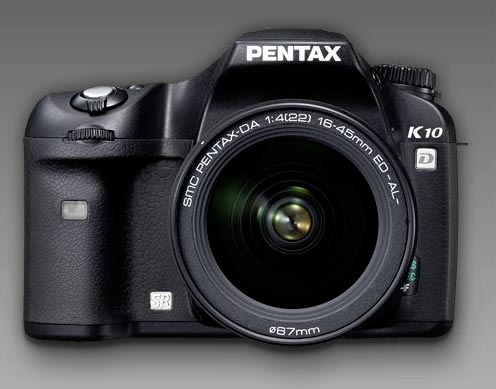
    pentax K10D

    And on the subject of dust, I have read several articles about the lack of sealing on the Canon 5D, which is a full-frame dSLR, and that lack is enough to make me hesitate in even thinking about that camera. And as to why I would be interested in the Canon at all? Well it has to do with image quality – pure and simple. All reviewers seem to agree that the Canon 5D is a step up from the image quality of the Nikon D200. (more…)

  • Choosing the right digital camera for you (part 2)

    Size, Weight, Focal Length, and Image Stabilization
    If it has to be something that fits in your shirt pocket, then it’s game over, and it has to be a compact or super compact.

    Jpegs
    With the exception of a model by Leice and one by Ricoh, all of these compact cameras produce jpegs. That means the camera converts the raw (RAW) data within the camera and presents it as a jpeg that is readable by just about any digital aparatus – so the finished product that comes out of the camera needs to be as good as possible.

    And the reason for this is that it really doesn’t pay to tweak a jpeg image to any great extent; particularly one processed on a small sensor. If the shot is not well exposed, with good white balance and good processing ‘out of the box’ then forget it and move on to the next image or the next camera. And the reason that it does not pay to tweak a jpeg with an image processing package such as Photoshop, is that the original jpeg image is ‘8bit’.

    What that means put simply is that for any given color or hue, there are 256 steps between dark and light. RAW ‘digital negatives’ are 16bit, which means there are millions of steps between dark and light. And if one tweaks a 16bit image there is no visible degradation in the image even with quite a lot of tweaking. Whereas with an 8bit image, even a little tweaking can create posterization. Posterization is the effect one sees when there is an abrupt change from one tone to another rather than a gradual and smooth change. That said, there are some compacts that are capable of producing good images that are well exposed, with good white balance and good processing ‘out of the box’. (more…)

  • Chorus line

    chorus line