• Pointillism In the National Gallery

    In the National Gallery today the Pointillist exhibition gave us a chance to see the variety of techniques close up. George Seurat’s Le Chahut is well known and here it is with a closeup that shows the dots. 

    Several paintings had a muted palette with unnatural colours. And I think that suits pointillism.

    The technical idea behind pointillist painting is to place complementary colours, such as red and green, side-by-side.

    It has been known since the Middle Ages that putting complementary colours next to each other creates a vibrant and luminous effect because that is how our eyes see the mix. It wasn’t until the Pointillists that painters started using small dots and small splashes of colour to build a painting.

    There were some pointillist portraits and I couldn’t help but think what the sitters may have been thinking while the painter painstakingly (and endlessly) put dots on the canvas to make the painting.

    Against the idea of vibrant complementary colours, several paintings had a muted palette with unnatural colours. And I think that suits pointillism.

    George Seurat’s Le Chahut is well known and here it is with a closeup that shows the dots. And perhaps that is the answer – overall the palette seems muted, but close up it is anything but.

    Everyday Life

    Sitting in the cafe in the National Gallery after the seeing the exhibition I started to see everything in the colours of the Pointillists. Outside the window the sky was turning and I kept watching it change.

    You could see that is one of the benefits of art – that it seeps into everyday life and makes us see more acutely.


  • Reflections

    As far as I can make our from Google maps, this is University College London Hospitals NHS Education Centre. I have never crossed the busy road to find out.

    Part of this building angles away from the road, and reflects the older buildings along this side of Euston Road. Every time I get out of the tube station at Euston Square I see this and it makes me look.

  • What Is Your Favourite Focal Length

    An advantage of digital photography is that you can look at the EXIF data in the files. That will tell you what camera you used; the focal length you used to take the shot, the shutter speed, the aperture, and the ISO.

    It’s rare for a photographer to only ever use one focal length, so after taking hundreds and maybe thousands of photos, you might want to know which focal length lens you used most.

    There are applications that will enable you extract the data from all the photos in your catalogue and tell you which focal lengths you used most.

    Of course, with some experience a person already gets to know which focal length they like best. But with more than one camera or with zoom lenses, the picture can get muddy.

    I thought I liked 35mm. Not too wide and not too tight. After all, I used only one focal length for several years on my Fuji X100s because it is a fixed lens camera.

    I got the Fuji X-T50 recently as a carry-around camera for when I didn’t want to lug my Canon EOS R6 around.

    The X-T50 is an interchangeable lens camera and I chose a 35mm f2 lens to go with it.

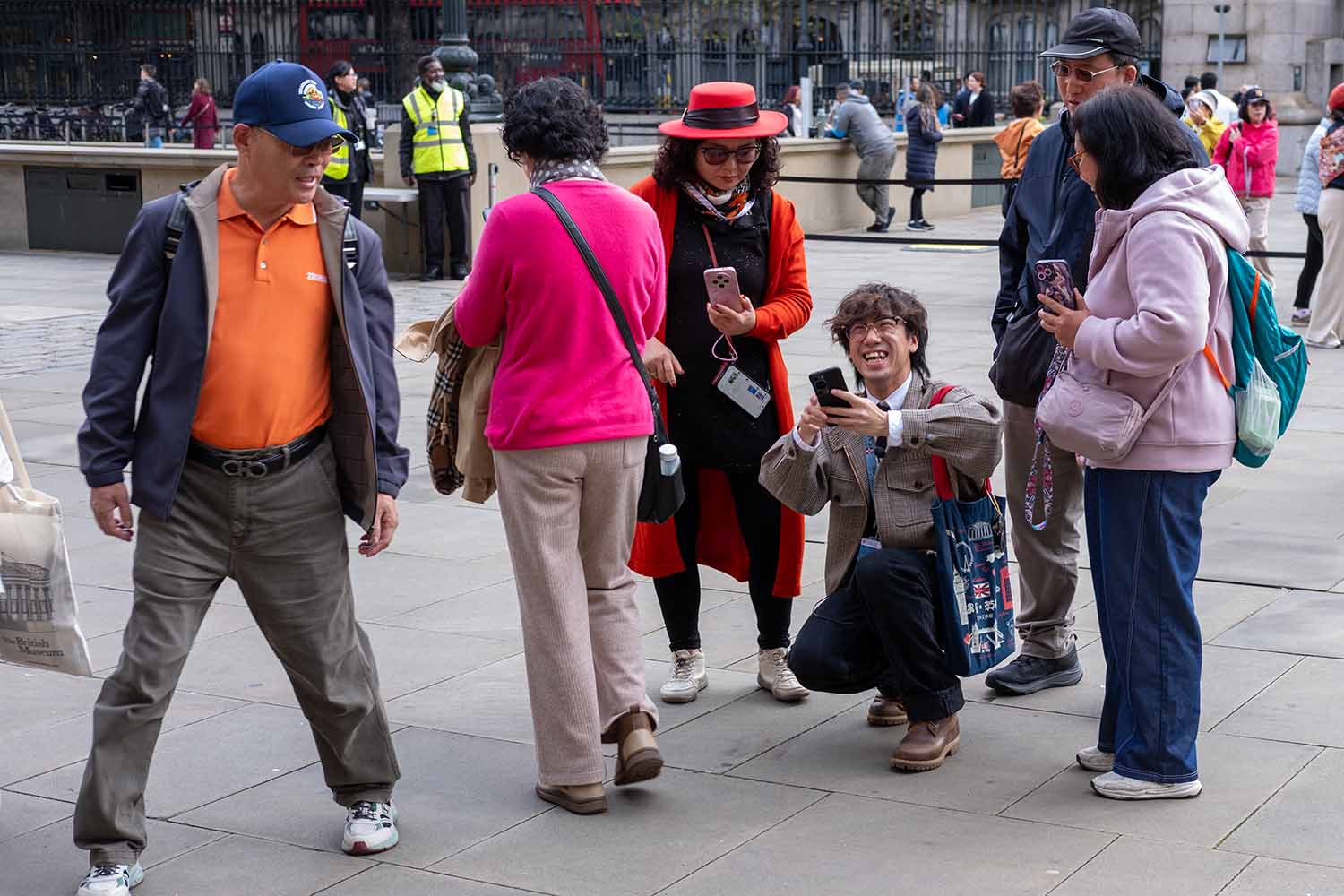
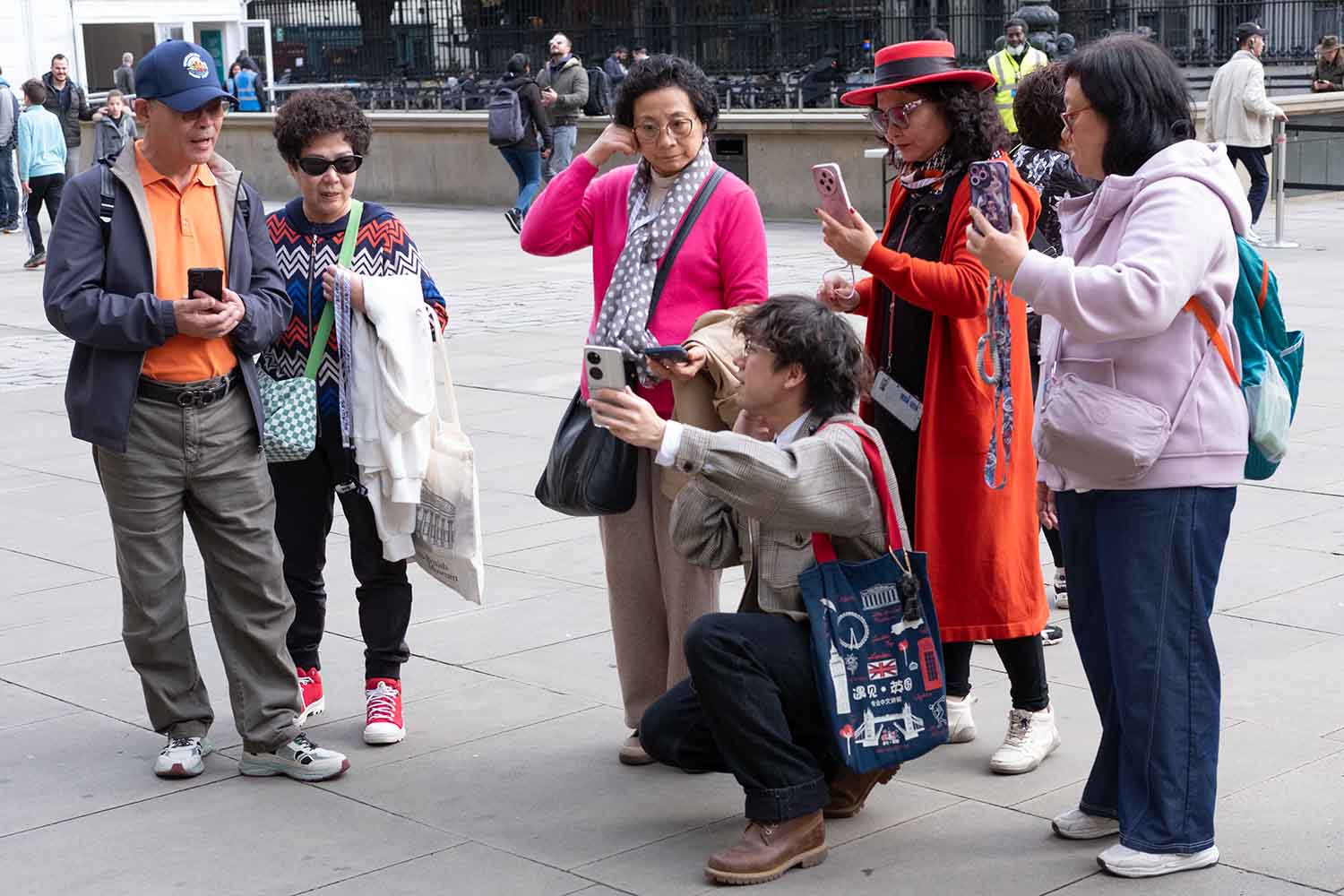
    The Fuji is a crop-sensor camera APS-C camera. So 35mm is a 50mm full-frame equivalent focal length. And that is what I used to take these shots today.

    Not too wide and not too tight. I thought the shots would be too tight for groups of people, but no. So 50mm is my new favourite, at least for now.