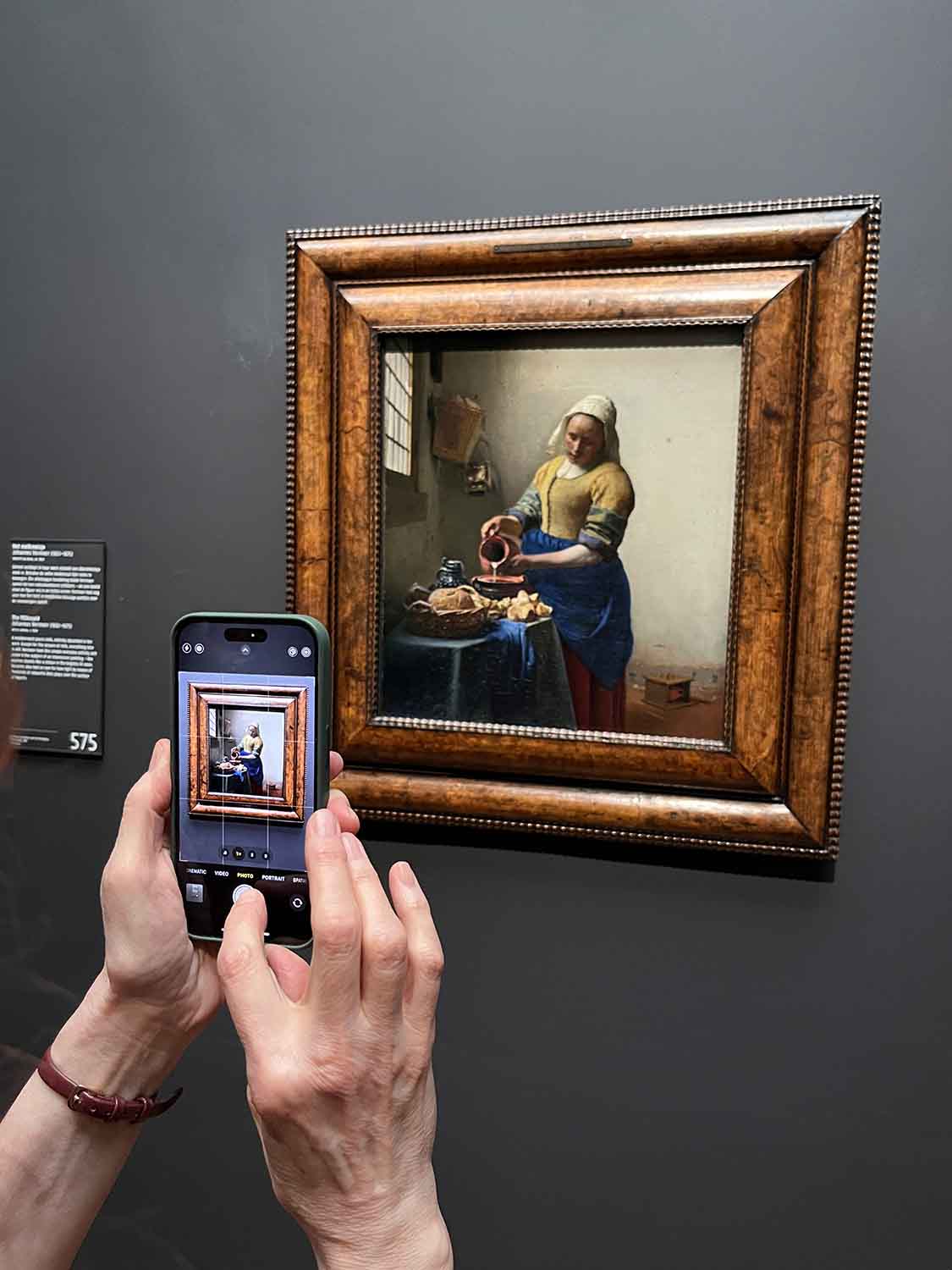
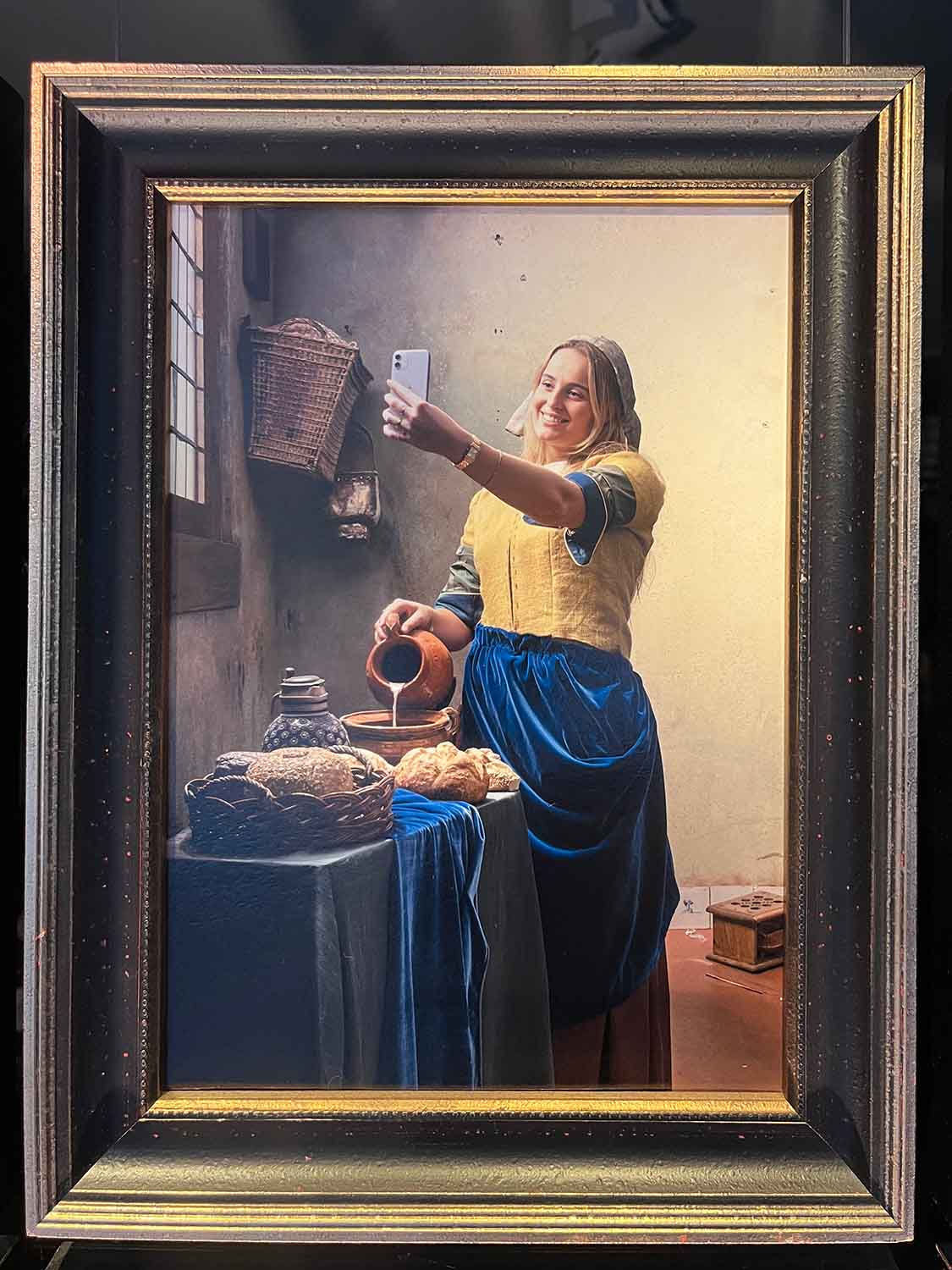
First, Green Street with wicker panniers on bicycles with well dressed passers by and nice architecture.
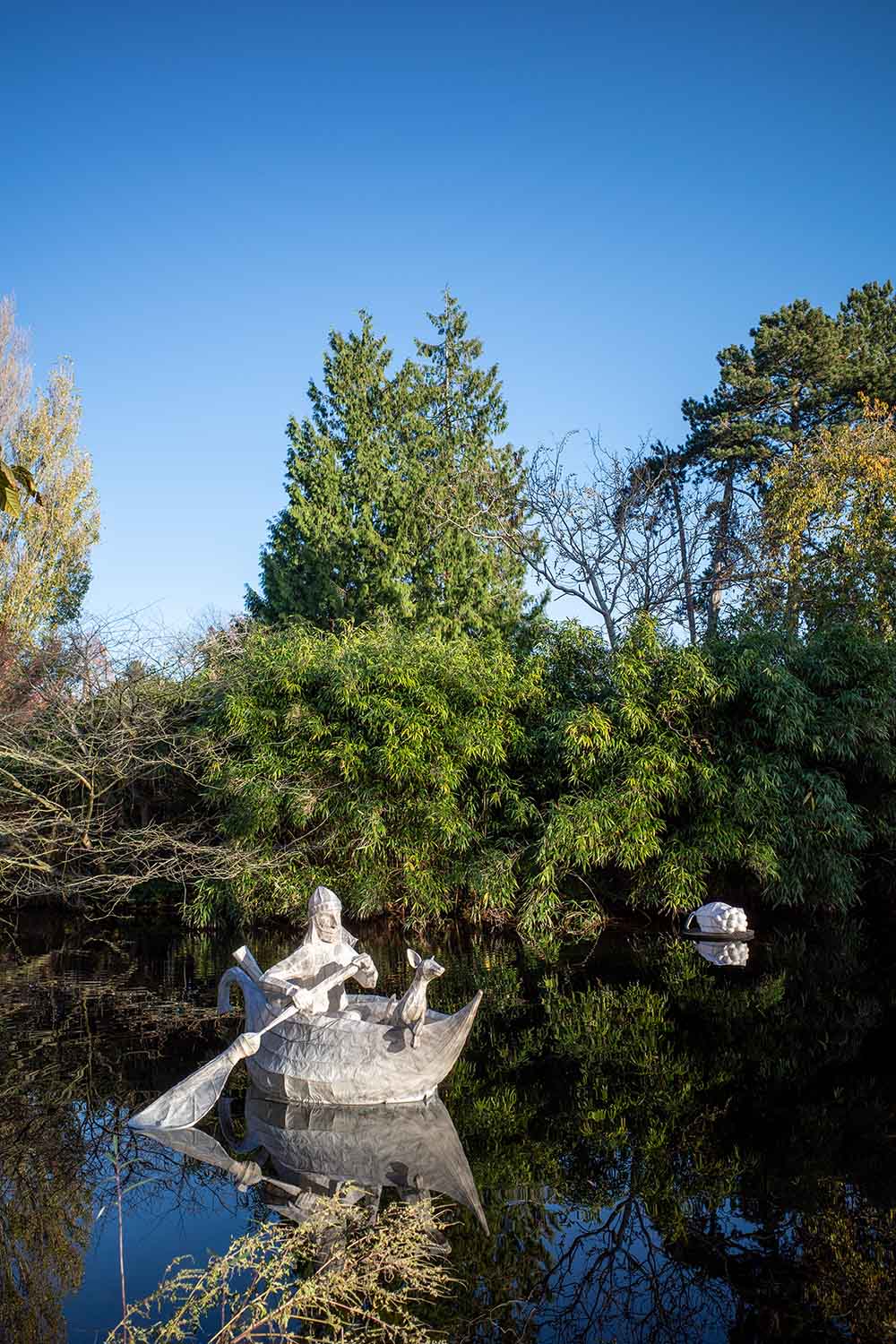
And the Botanic Garden preparing for a Norman invasion. Alternatively, this is a lighting feature for the nighttime walks coming in the next few weeks.
Barry Thornton was a photographer who was a methodical investigator of what made a good black and white film negative.
For him, ‘good’ meant a negative with a range of tones that printed easily.
The proof of the pudding was in his prints, and he was very good printer. He showed some of his prints at Chichester Camera Club. The prints were so detailed you felt like you could walk around in them.
I remember him correcting those among his audience, including me, who thought that there had to be black in a negative or print in order for it to be ‘good’. Not at all, he said – and that stuck with me.
It must be fifteen years or more since he died of a heart attack, either at his hotel or in the venue where he was due to give a talk. And for some reason it touched me and I was sorry for him.
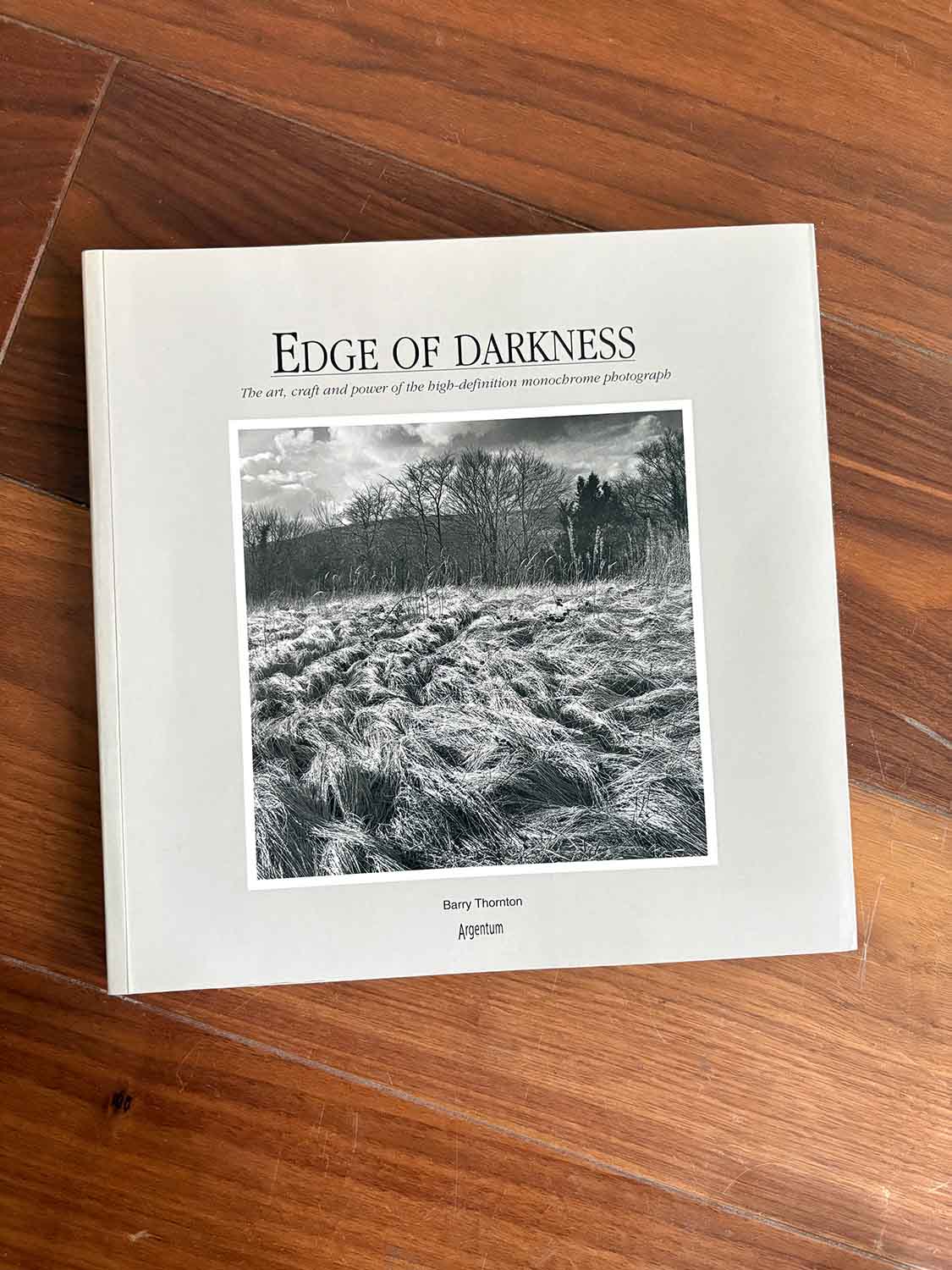
Today I received one of the books he wrote: Edge of Darkness – The art, craft and power of the high-definition monochrome photograph.
I bought the book because I am vaguely planning to develop my black and white film, rather than have a lab develop them. And the other reason is that sliver of connection I feel with a man I hardly knew.
EDGE OF DARKNESS – The art, craft and power of the high-definition monochrome photograph
The Good And The Bad: Developing B&W Film
What puts me off developing my own black and white film is not the process, which is not that difficult. Or rather it is not that difficult to get the developing more or less right.
But if you want to get the very best that a negative has to offer, then it gets more tricky. There are many developers and each has their own characteristics.
Black and white film is interesting because it is essentially a layer of chemicals in a layer of gelatine and the idea is to get them to clump in such a way that heightens the contrast on the edge of each clump without sacrificing all the tones in the clumps of exposed film.
That’s one thing that gives me pause. The other thing is keeping the film free of floating dust after it has been developed and fixed.
A Hanging Cabinet
A ‘proper’ darkroom would have a specially built cabinet or cupboard in which to hang film. And of course, I do not have one.
The enemy is dust. And dust is, as you probably know, mostly made up of microscopic particles of dead skin cells as well as clothing fibres, bacteria, and chemicals from household items. The bits float about, disturbed by every movement we make.
And they love nothing better than to stick to a length of wet film hanging to dry.
Wetting Agents
One way to combat dust is to give the film a final rinse with a non-ionic wetting agent. It breaks the surface tension of the water, and that helps prevent droplets of water leaving drying marks.
It also stops static build-up, which stops the film being a magnet for dust, but from memory it is not perfect at stopping dust.
S&S
Suck it and see, as the saying goes. Next stop is to get a developing tank, developer, stop, fix, some graduated beakers to measure quantities, a couple of empty storage bottles for used chemicals, trays, a thermometer, a doo-hickey for taking the cap off the camera roll, and a dark bag for threading the film onto a spool to put in the developing tank.