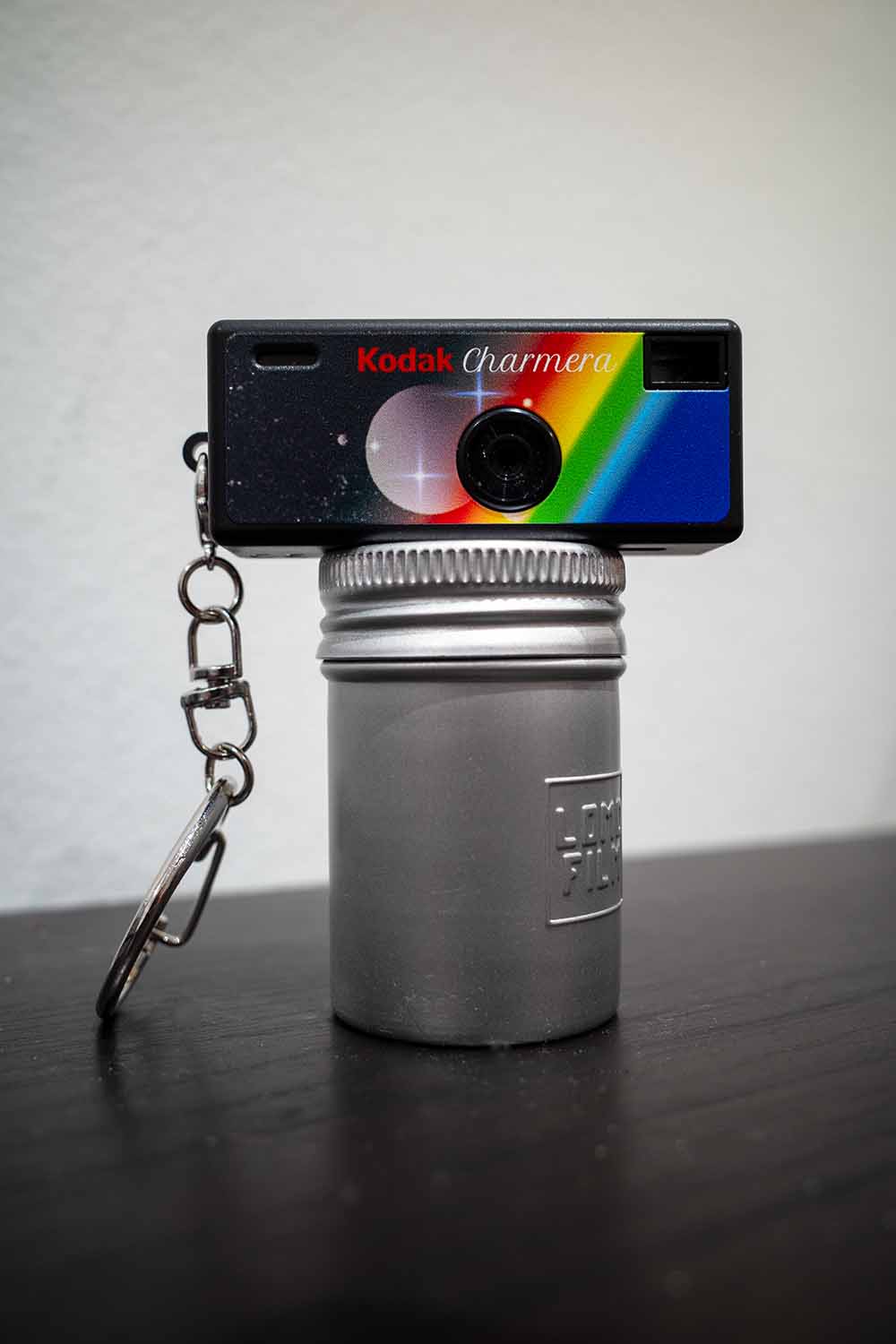
I bought a Kodak Chamera. It weighs just 30g (an ounce) and it is tiny.
That is a 35mm film canister that it is perched on.
The keychain comes with the camera. And to add a little piquancy to the buying experience, you don’t find out the particular camera style you get until you open the box. There are seven (I think) styles with one of them being see-through.
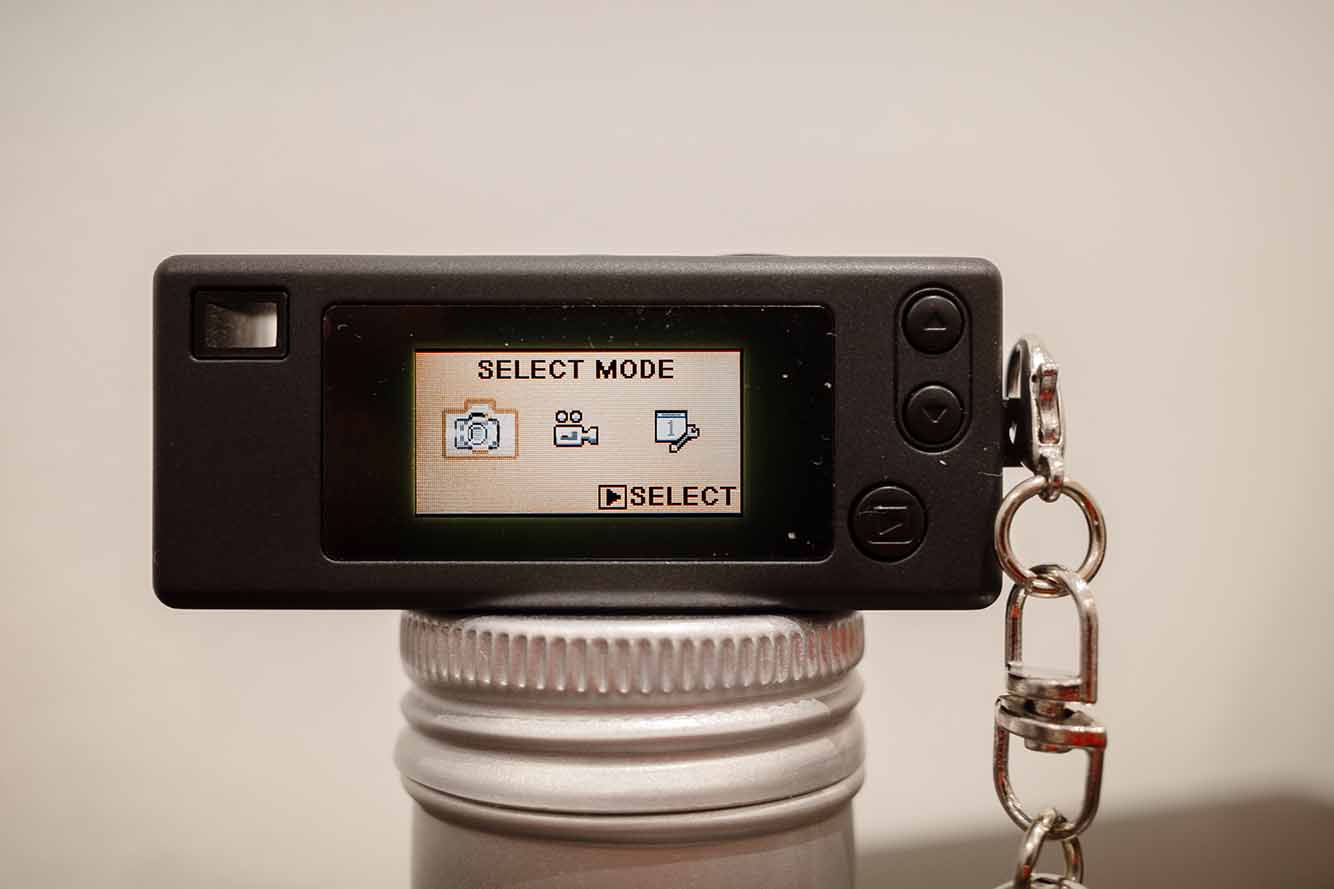
The camera has a tiny viewfinder and the whole thing is about as long as my little finger – and shoots jpegs and video. It is super easy to have it with me so I can take tiny jpegs. Ignore the date that I didn’t set, so it has chosen its own date – maybe when it rolled off the assembly line.

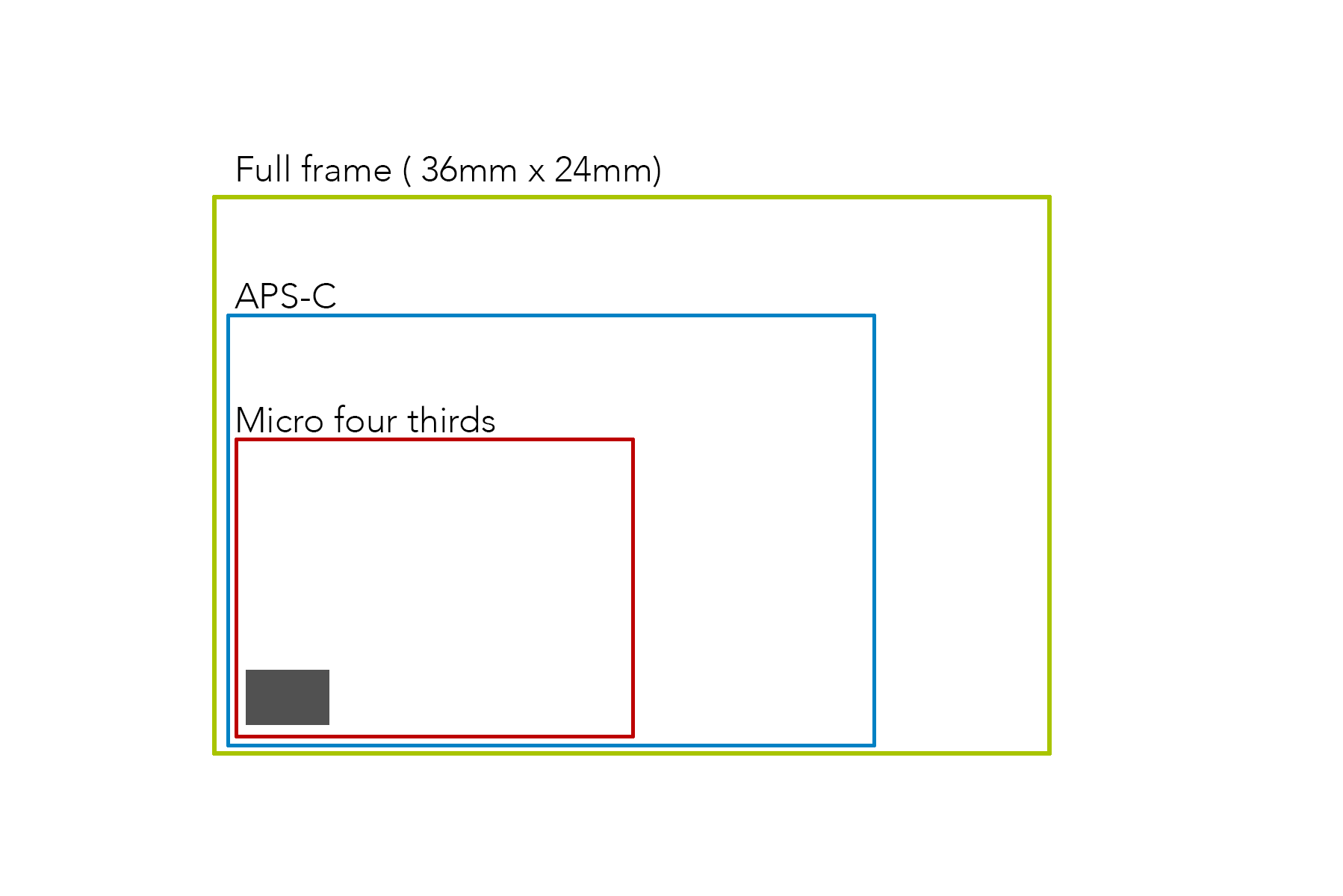
It has a 1/4-inch sensor, which refers to the sensor’s diagonal, not its width or height, and although exact pixel size isn’t specified, using typical sensor geometry miniature cameras, that translates to approximately 3.6mm x 2.7mm.
Here is a diagram showing the size of the sensor compared to Micro four-thirds, APS-C, and full-frame sensors. As you can see, the sensor – the little dark rectangle – is tiny.
I wonder how many Kodak have sold? The camera is very cheap and maybe it hits the sweet spot of not being your phone.
One odd note is that the micro SD card that the images write to, is described in the manual as a TF Card and I wondered how, if at all, it differs from a microSD card?
And the answer is that a TF card, short for TransFlash card, is the original name for the microSD card. SanDisk introduced the format, and it was later standardised as microSD by the SD Association.
Perhaps you already knew that. More to the point – why does the manual use a name that was abandoned in 2004?

Leave a comment