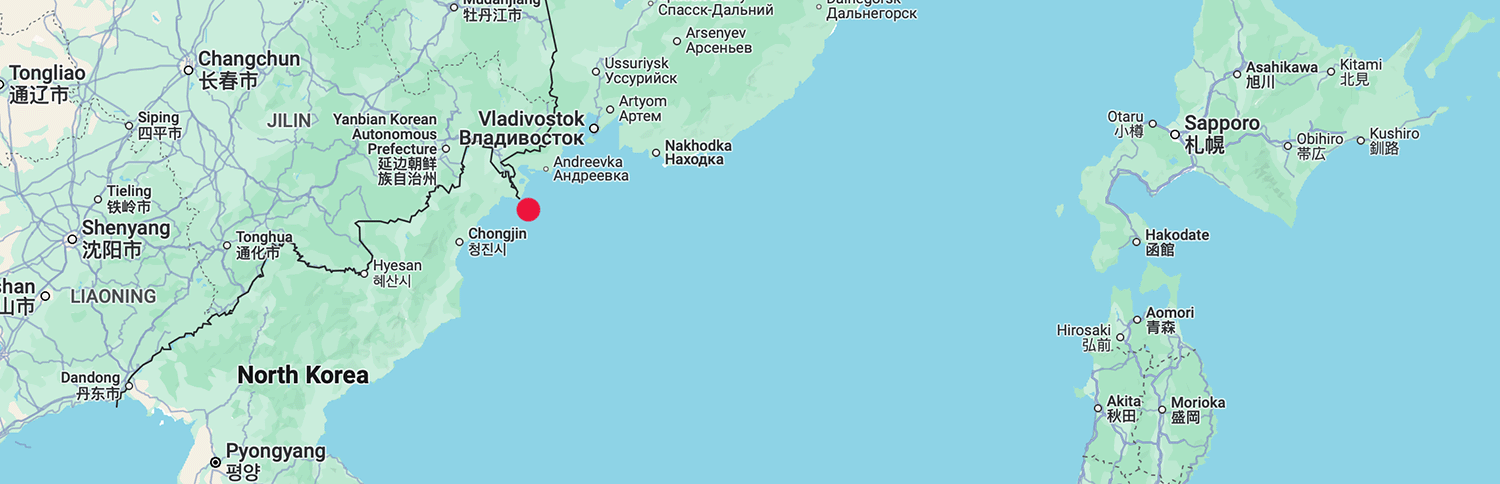
The map showing the Russia – North Korea border across the Sea of Japan caught my attention.
I’ve marked the point of interest on this first map with a red dot to the south of Vladivostok.
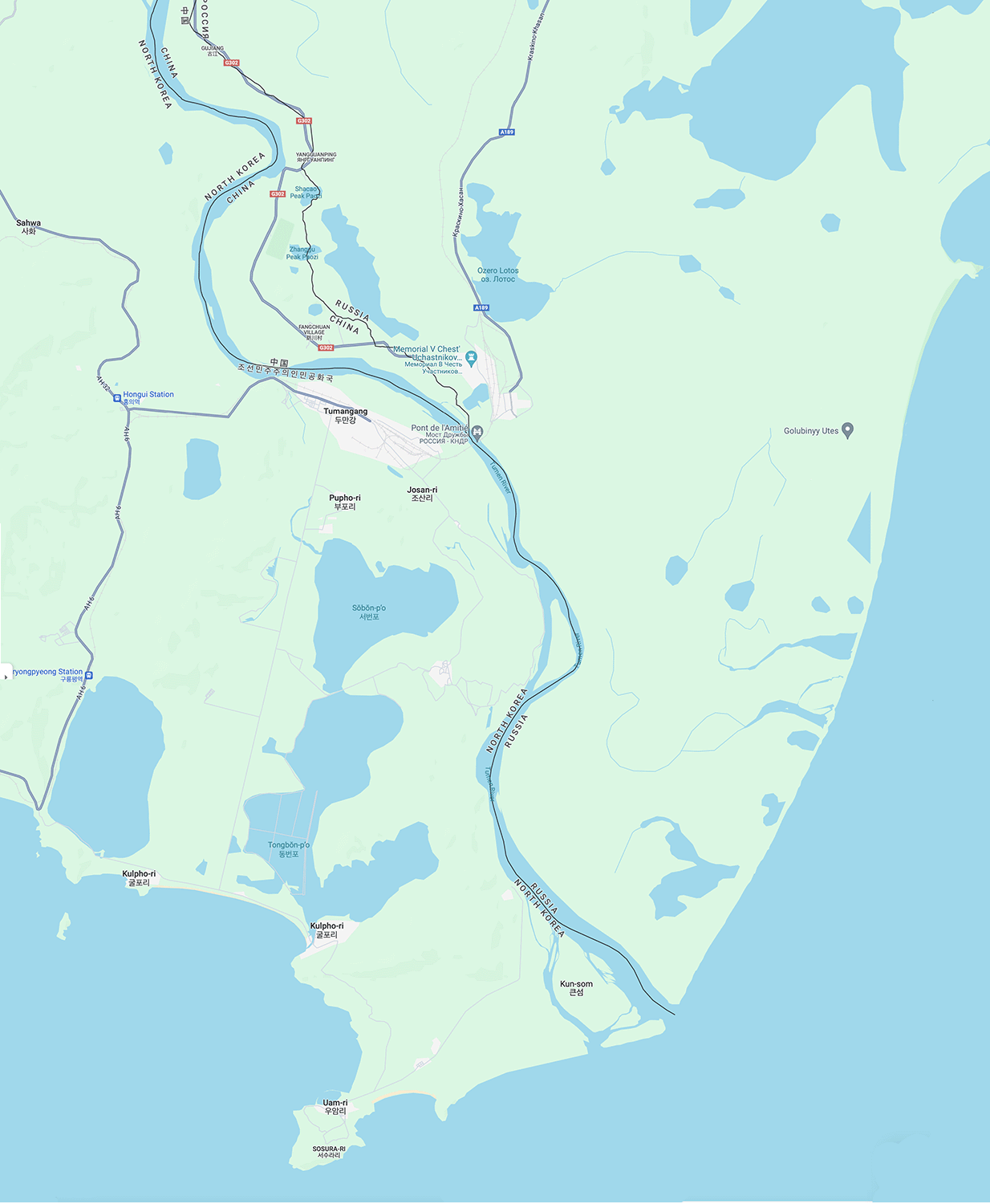
This next map shows a close up of the area. You can see that China doesn’t have a border that gives it an outlet to the Sea of Japan.. China’s border ends at the Friendship Bridge (Pont de lAmitié Мост – Дружбы РОССИЯ – КНДР.). The bridge connects the Russian town of Khasan with the North Korean town of Tumangang.
At the moment, Chinese goods cross into North Korea by road. Then overland to the port of Rajin, which was built by the Chinese.
The only way for China wants to reach the Sea of Japan, ships have to leave from Shanghai or Dalian. Then travel up the strait between South Korea and Japan.
Just this summer Russia proposed that the three countries cooperate to allow China to navigate the Tumen River to the sea.
If that was all that was proposed it wouldn’t make much difference to China. The river is too shallow to allow large ships to pass. And the Friendship bridge is too low.
But the proposal is to dredge the river to allow larger vessels to navigate it. And to demolish the Friendship Bridge because it is too low to allow large ships to pass.
Large ships would include the Chinese Navy. If the project happens it would mean a strategic change in the region.
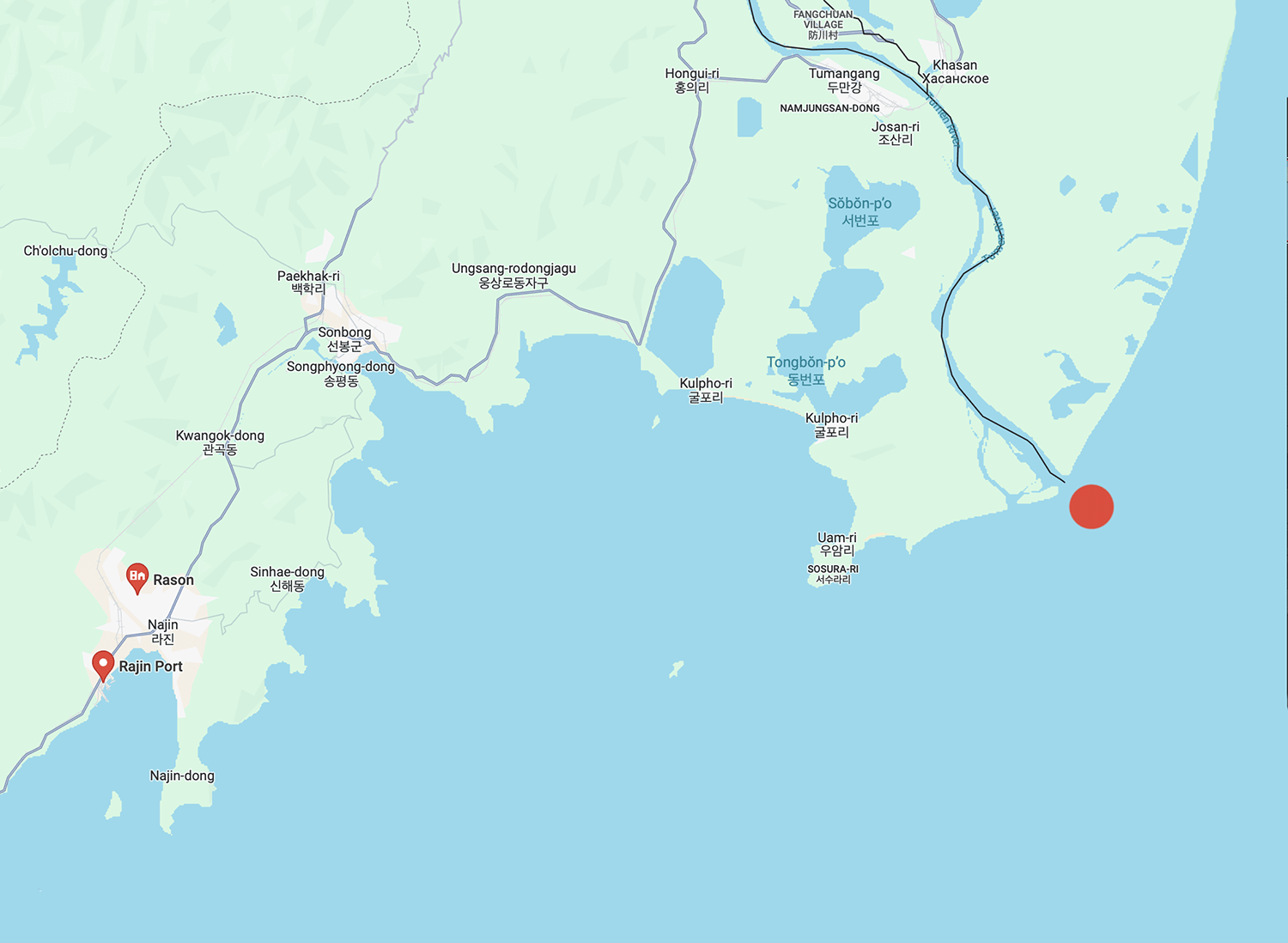
As an aside, the border between North Korea follows the course of the river. That makes the border a thalweg, (sometimes spelled talweg) which is originally a German word and means the line made by following the lowest part of a valley whether under water or not.
And it happens to be that the border between North Korea and Russia at the Tumen River is moving slowly north into Russia. That’s because the land is higher on the Korean side and the river is slowly eating into the land on the lower Russian side. In the process of dredging the river as proposed, the Russians plan to shore up the banks on their side to prevent erosion – and stop the further movement of their border northwards.


Leave a comment