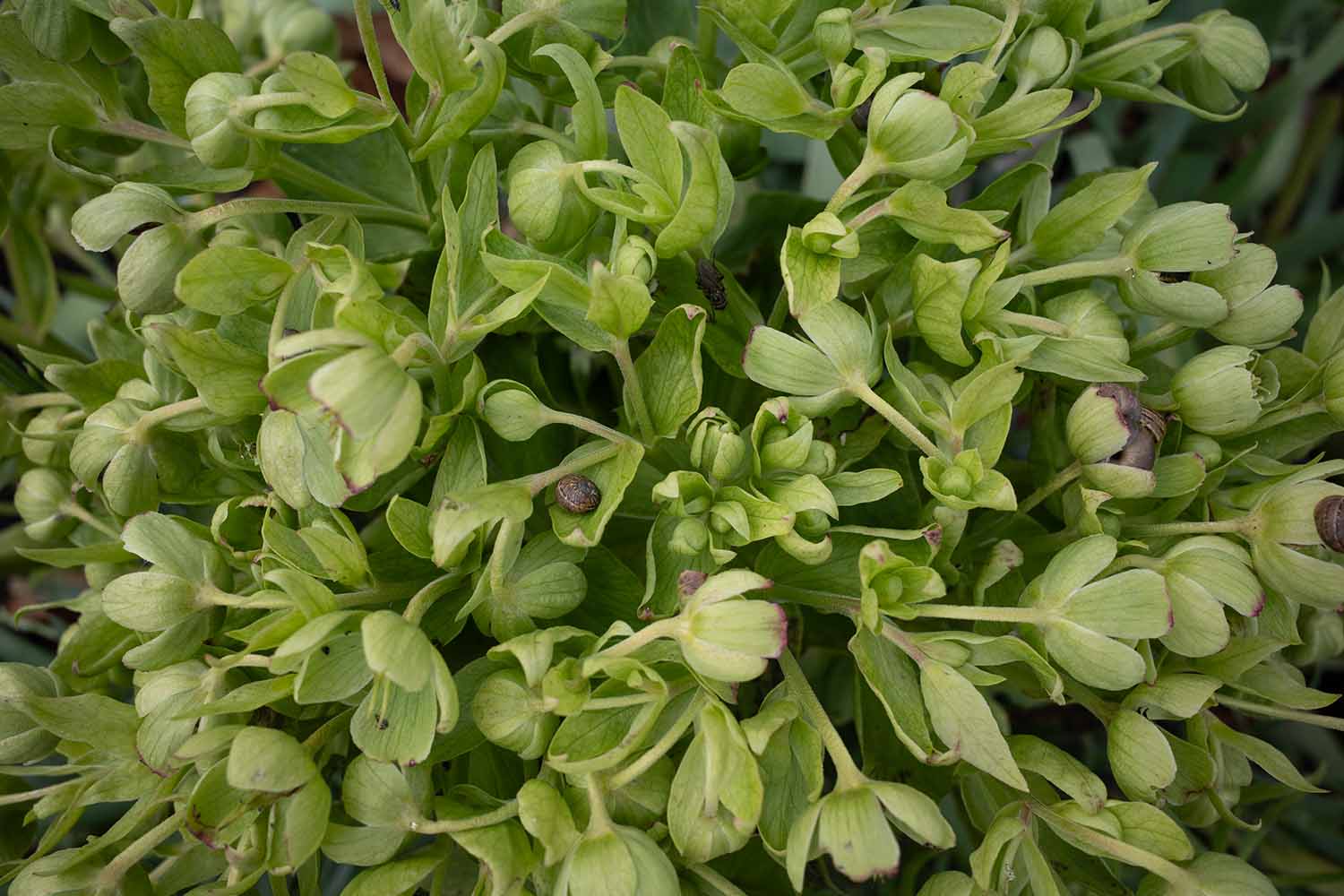
I shot this yesterday afternoon with a little Ricoh GR III digital camera. It took me just a couple of minutes to take the SD card out of the camera, put it into the computer, extract the file and prep a small version for the screen in Photoshop.
That is now, but I used to shoot film before there was digital and then digital came along and I started shooting digital. And it’s so much easier but it’s also kind of dead in a way. The act of shooting is the same, and if a person shoots JEPGs then he/she doesn’t have to get involved in post processing.
But if a person shoots RAW format so that they can get the best out of what a digital camera can do, then he/she is going to spend time in front of a computer, preparing and tweaking the files.
It’s a truism, but the screen is very flat. Everything takes place in another space beyond reach in some way.
How is it different from film? Well, there’s no smell, there’s no walking carefully across the dark room floor so as not to disturb the enlarger.
There is no enjoyment of the tactile nature of a roll of film and the pleasure of mastering that unwieldy sea serpent that is a roll of film when you are winding it onto the developing tank.
On the other hand, opening a film camera back and seeing the Victorian sprockets, is a shock after shooting digital for a while.
Somebody said that the difference between film photography and digital photography is that with film photography the technology is in the film whereas with digital photography it’s in the camera.
With film photography the camera is a box, literally just a light-proof box, and the lens does all the work to focus the subject onto the film.
That whole process of a piece of film, which you can ruin in one second just by opening the film back without developing it, just makes it so much more… I don’t even know what the word is, I’m not even going to try but it’s a very nice process.
I used to have a darkroom and I would develop from black and white and then print up to 10×8 and I loved all of it, maybe not spotting when you get little marks on the negative, bits of dust etc because that is a skill in itself but the whole process is so nice.
A few months ago I started shooting film again. Without a darkroom I can’t print film. I could develop film (at least black and white film) but then I would have to scan the negatives.
Instead I have been sending exposed rolls to a lab (Analogue Wonderland) and they develop and scan the negatives.
I sent three rolls to them yesterday.

Leave a comment