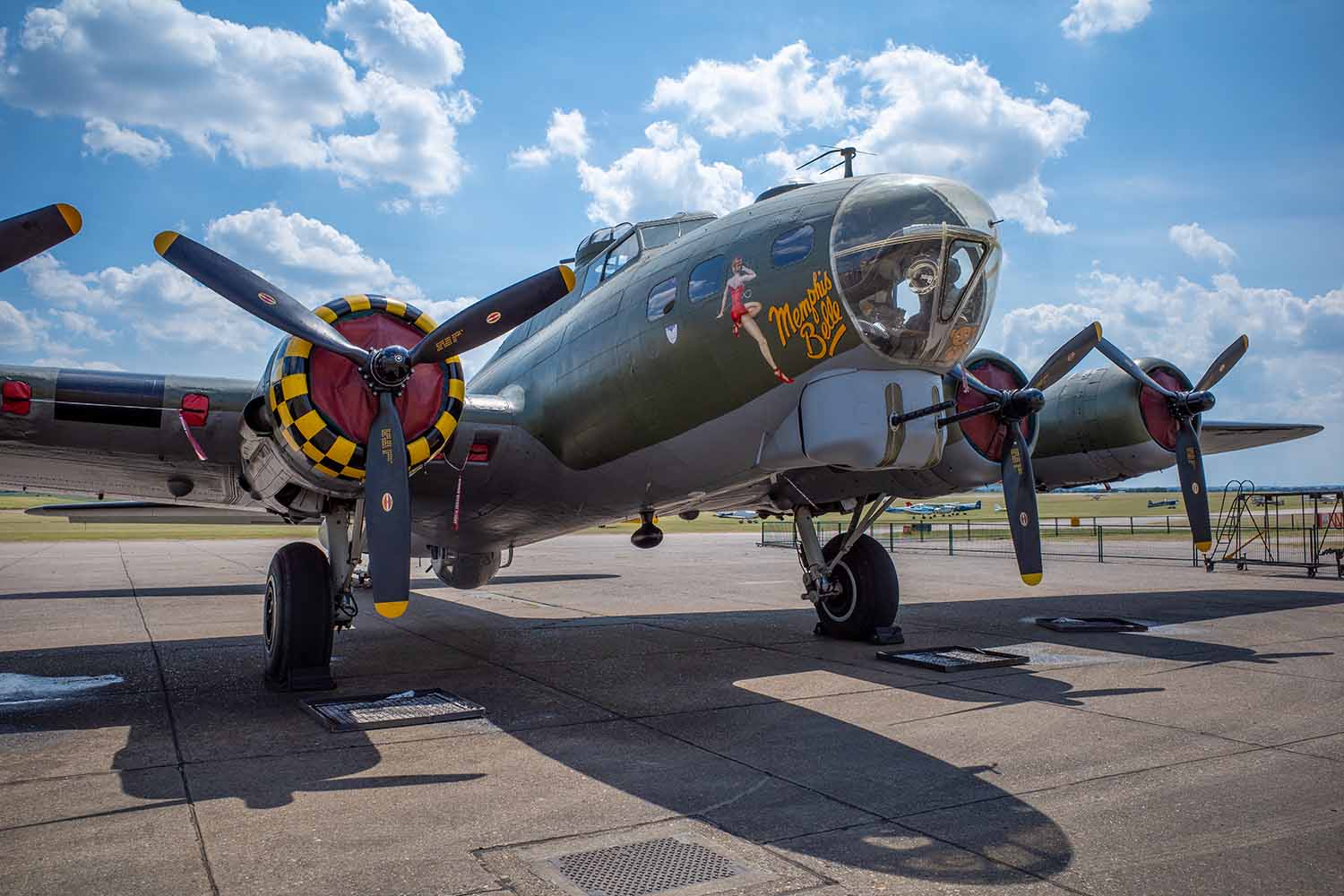

Duxford is a village in Cambridgeshire, and near the village is the airfield that houses one of the sites of the Imperial War Museum. The IWM is on five sites – three of them in London. tThe main London one is on Lambeth Road. Then there is HMS Belfast berthed at The Queen’s Walk in London, and finally the Churchill War Rooms on Clive Steps off King Charles Street.
IWM North is housed in the north of England in a futuristic building on The Quays on Trafford Wharf Road in Manchester. Tamara and I visited it several years ago.
And branch number five is IWM Duxford, about twelve miles from Cambridge.
The museum is mostly dedicated to aircraft although there is a building dedicated to land warfare, with British, Russian, American, and German tanks and other vehicles, including some modern tanks.
Standing close to, for example, a Challenger tank you see how very very big modern tanks are – perhaps thirty feet long, plus the length of the gun.
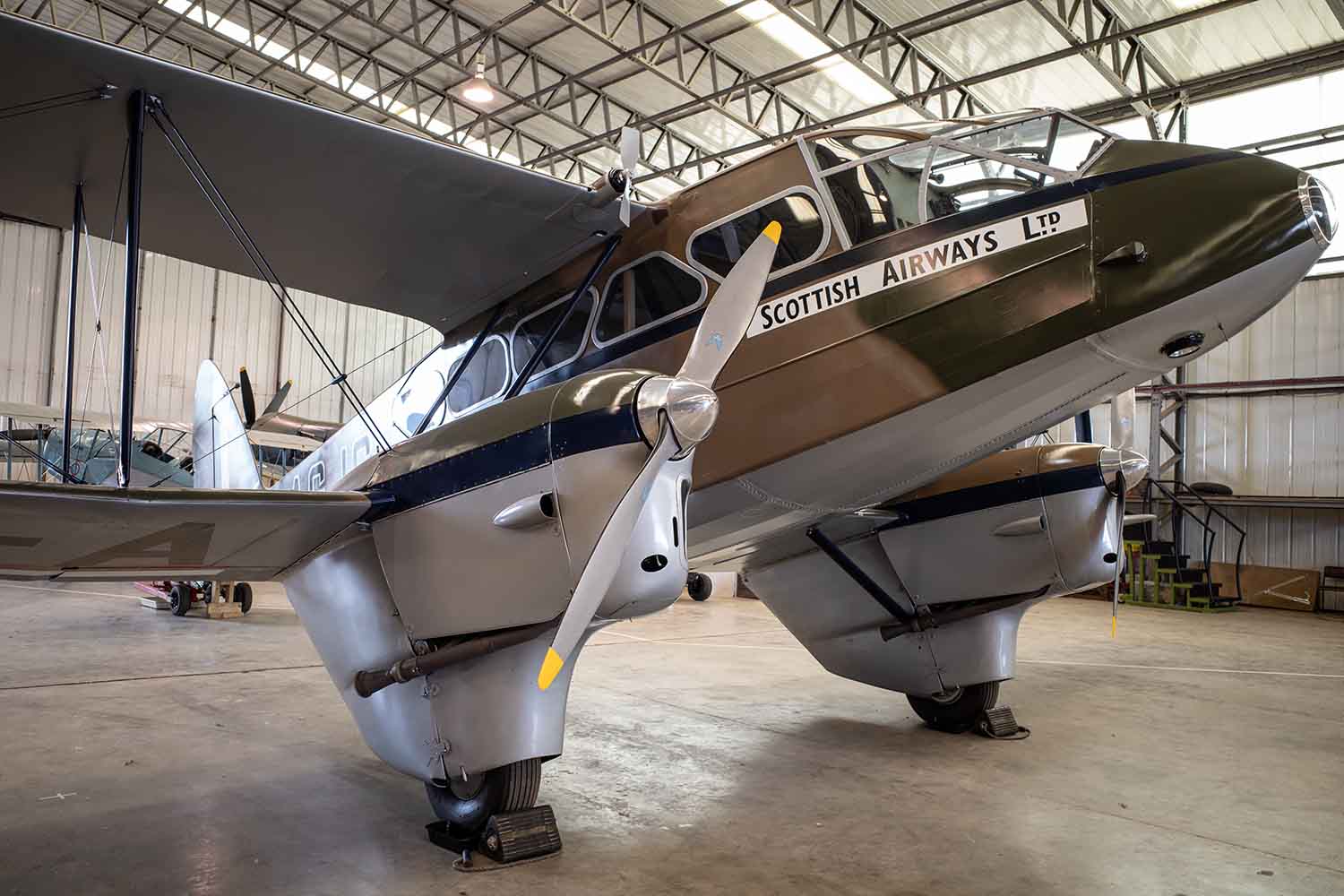
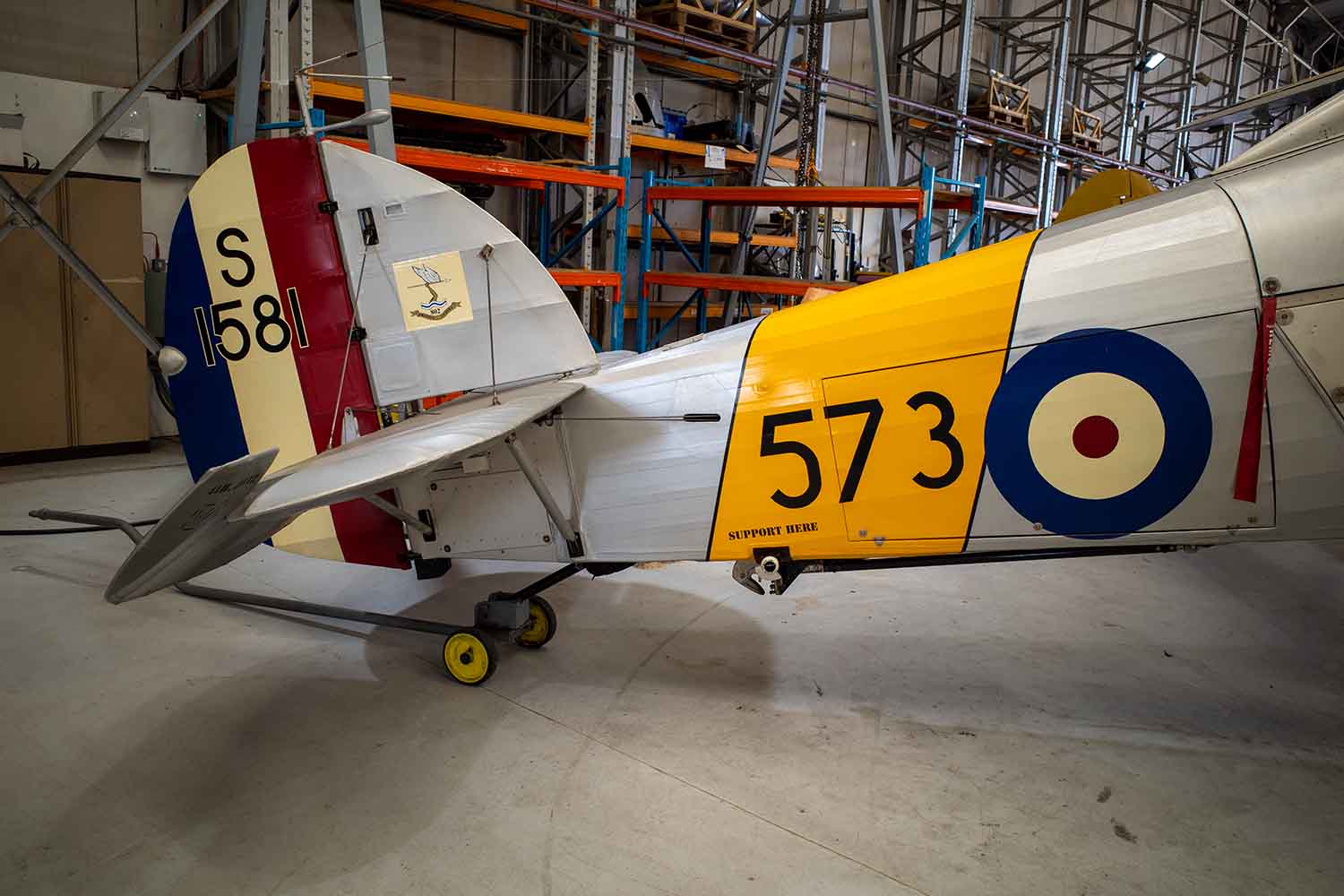
Some of the perhaps eighty or more aircraft at Duxford are parked out on the field and some are in hangars.
Some vintage and some modern planes took off and twisted and turned and dazzled us watching from below. We saw a modern plane that just shot up and up and over and into a spin and a roll, and then up and over again and again – the capability of the plane to twist and turn was amazing. Maybe it is that I am older now and can concentrate more, but I don’t recall that I ever saw such a display before.
A Spitfire and a Hurricane and a couple of other vintage planes took off and flew around. The cockpit on the Spitfire sits further forward than on the Hurricane, and the shape of the fuselage of the Hurricane almost makes it look as though its nose is pointed up and its belly is low, like a shallow banana shape. it surprised me how I could tell the difference even from a distance, While I did look at photos and models as a boy, they were not the focus of my life, so I am hardly an expert.
Still, there is something about the overall shape of the Spitfire that just looks right.
When it took off I was surprised and impressed at how straight and ‘unhindered’ it looked, with a powerful and capable engine sound. The original Spitfire dates to about 1936, with improvements during the war. Whichever model we were looking at, it must have been at least eighty years old. Yet it flew as though it was built yesterday.
When it was high up as it circled around it made me realise how frightening it must have been to be a tiny dot in a very big sky, watching for enemy planes that could gain height and descend and pounce at any moment.
Duxford In World War II
In summer 1940, during the Battle of Britain, Duxford and Fowlmere (another airfield about five miles from Duxford) had two main jobs – to protect the Midlands and help the fighters of 11 Group that was responsible for London and the south-east of England.
Word Origin: Hangar
The word comes from Middle French hanghart (“enclosure near a house”), from Frankish *haimgard (“home-enclosure”, “fence around a group of houses”), from *haim (“home, village, hamlet”) and gard (“yard”). The term, gard, comes from the Old Norse garðr (“enclosure, garden”).
So – an enclosure near homes.
It’s funny because in World War II with the threat of invasion, Britain had troops made up of men who were too old to be called up to fight in the army abroad.
They were called the Home Guard, and colloquially known as Dad’s Army. You may have seen or know of the TV series Dad’s Army – that took a humorous look at class, ineptitude, and the shambles that was Britain’s response to the invasion threat in the early days of World War II
The argument made by some when war broke out was that it was the dithering that allowed the situation to get out of hand. A stronger response in the mid-thirties, when Germany was weaker and its intentions were clear could have saved a lot of heartache. The argument is put forth in Guilty Men, that I reviewed on my No More Pencils site.

Leave a comment